A Buyer’s Guide to Testing Indian Marble Quality: Simple DIY Steps

How to Transform Your Rooftop Into a Luxury Outdoor Living Room
March 12, 2026
Top Benefits of Using Natural Sandstone for Your Home Decor
March 27, 2026
Indian marble has long been a symbol of luxury, durability, and timeless elegance. From the legendary Makrana White used in the Taj Mahal to the vibrant hues of Udaipur green and Jaisalmer yellow, Indian natural stones are a top choice for homeowners and architects worldwide. However, the market is vast, and the quality of marble can vary significantly based on its origin, processing, and handling.
If you are planning to invest in marble for your flooring, kitchen countertops, or wall cladding, performing a quality check is non-negotiable. High-quality marble lasts for generations, while poor-quality slabs can develop cracks, stains, or dullness within months. To ensure the best results, always source your stone from a reliable marble supplier in India who provides certified, high-grade slabs.
This comprehensive guide walks you through simple, effective DIY steps to test Indian marble quality like a pro before you make your purchase.
1. The Water Absorption Test (Checking for Porosity)
Porosity is one of the most critical factors in determining marble longevity. High-quality Indian marble should be dense and have low water absorption. Highly porous marble will soak up liquids, leading to deep-seated stains that are nearly impossible to remove.
How to do the DIY test:
- Pour a small amount of clean water on the surface of the marble slab.
- Leave it undisturbed for about 15 to 20 minutes.
- Wipe the water away and observe the surface.
The Result: If the marble absorbs the water and leaves behind a dark, damp patch, it indicates high porosity and lower quality. Good-quality, dense marble will not absorb the water, and the surface will remain dry and unchanged once wiped. Low-porosity marble is easier to maintain and far more resistant to household spills.
2. The Sunlight Reflection Test (Surface Uniformity)
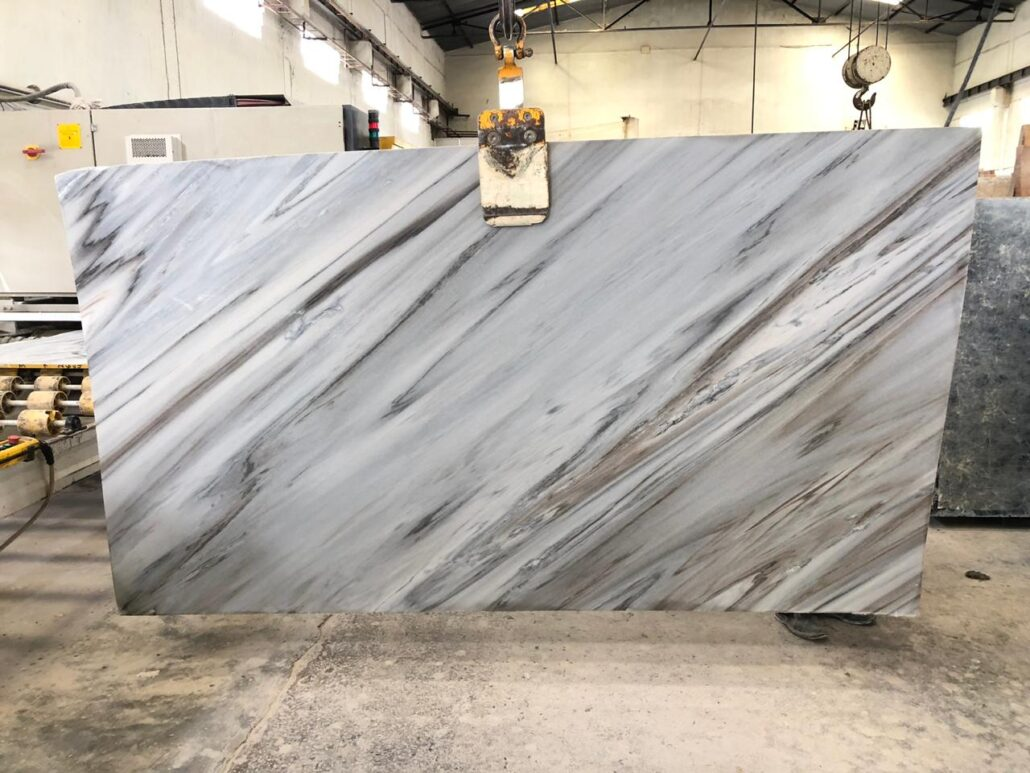
Natural light is the best tool for spotting imperfections that artificial showroom lights might hide. This test helps you evaluate the polish quality and the presence of “pinholes”.
How to do the DIY test: Place the marble slab in an area with direct natural sunlight. Look at the slab from a shallow angle (sideways) rather than directly from above.
The Result: A high-quality slab will show a consistent, mirror-like reflection across the entire surface. If you see dull patches, cloudy areas, or tiny pin-sized holes (pores), it suggests that the stone was not processed correctly or is of an inferior grade. Uniformity in shine is a hallmark of premium machine-polished marble.
3. The Sound Test (Density and Structural Integrity)
Even if a slab looks perfect on the outside, it might have internal “air pockets” or micro-cracks that could lead to breakage after installation.
How to do the DIY test: Gently tap the marble slab at various points using a small metal object, like a coin or a key.
The Result:
- Clear Ringing Sound: This indicates a dense, solid stone with no internal cracks or cavities.
- Dull Thud: A hollow or dull sound suggests internal gaps, micro-cracks, or a weaker formation that may fail under pressure.

4. The Scratch Test (Hardness and Durability)
Different varieties of Indian marble—such as Morwad White, Banswara, or Agaria—have different hardness levels. For high-traffic flooring, you need a stone that can withstand daily wear and tear.
How to do the DIY test: Take a sharp steel object (like a key or a small knife) and try to scratch a small, inconspicuous corner of the marble.
The Result: If the object leaves a deep, visible groove with very little pressure, the marble is soft and may wear out or scratch easily in a busy household. If it resists the scratch or only shows a faint mark, the stone is hard and durable. Generally, authentic Makrana marble is among the hardest and most durable Indian varieties.
5. Inspecting for Chemical Fillers and Artificial Wax
Lower-quality slabs often have cracks or pits that suppliers hide using resin fillers, epoxy, or heavy wax. Over time, these fillers can pop out or change colour, leaving your floor looking patchy.
How to identify fillers:
- The Touch Test: Run your hand over the surface. Fillers often feel slightly different in temperature or texture compared to the natural stone; they may feel waxy or slightly sticky.
- Visual Check: Look at the back of the slab. If the back has a mesh or net attached, it is often a sign that the marble is fragile and requires reinforcement.
- The Heat Test: Rub a small area vigorously with a cloth or apply mild heat. If a waxy smell or sticky residue appears, the slab has been artificially treated to hide flaws.
6. Checking for Impurities (Yellow and Brown Spots)
Yellowish or reddish-brown patches are often signs of iron oxide (rust) within the stone. While some veining is natural and beautiful, concentrated spots of iron can oxidise further when they come into contact with water or humidity.
What to look for: Carefully inspect both the front and the back of the slab for any rust-like staining. High-quality white marble should be free from these oxidation marks, as they can spread over time and ruin the aesthetic of your flooring.
7. Verifying Thickness and Edge Finish
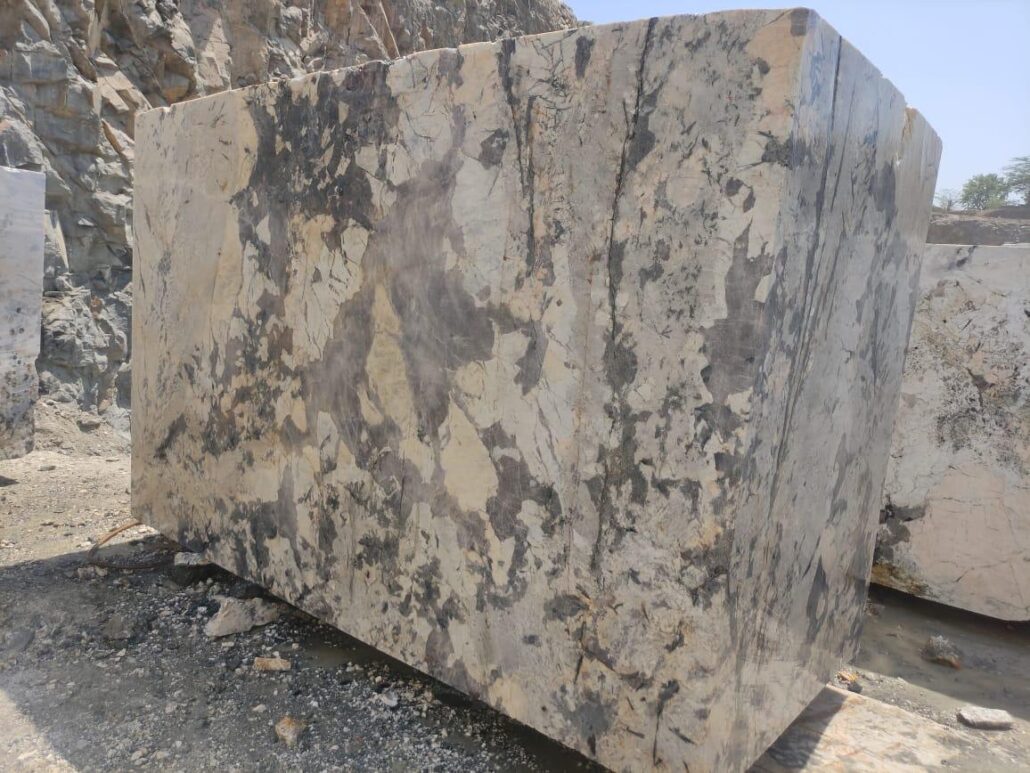
Standard Indian marble slabs should ideally have a thickness of 15mm to 18mm. Uniform thickness is crucial for a level floor.
What to check: Measure the thickness at all four corners of the slab using a gauge. If the thickness varies, the installation will be difficult, and you will end up with “lippage” (uneven edges between tiles). Additionally, ensure the edges are machine-cut and perfectly straight. If you place two slabs side-by-side, their edges should align perfectly without any visible gaps.
Why Buying from a Trusted Supplier Matters
While DIY tests are incredibly helpful, the most important step in your buying journey is choosing a reputable supplier. Authentic dealers in hubs like Kishangarh, Rajasthan, provide factory-processed, epoxy-treated, and UV-cured slabs that meet international standards.
Buying from a trusted source ensures that the “lot” you see is the lot you get. In marble, consistency is key—you want all the slabs in your house to come from the same “block” to ensure the patterns and colours flow seamlessly from one room to another.
Final Thoughts
Investing in Indian marble is a choice for a lifetime. By spending a little extra time performing these simple DIY steps—checking for porosity, listening for density, and inspecting for hidden fillers—you can ensure that your home features the finest natural stone. Remember, true quality isn’t just about the first look; it’s about how the stone performs ten years down the line. Keep these tips in mind, and you will find the perfect marble that brings both strength and beauty to your space.