
Before You Buy Granite: Important Facts to Consider

Pros and Cons of Granite Flooring: 2026 Complete Guide
April 4, 2026
Patagonia Quartzite Grades: A vs B vs C Slabs & Blocks Guide
September 3, 2026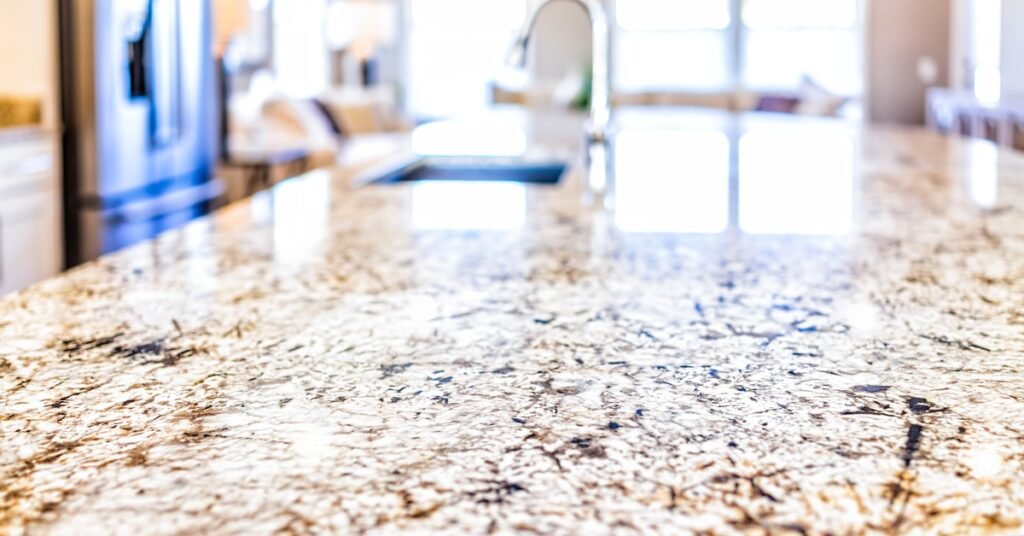
When it comes to upgrading your home interiors, granite remains one of the most popular and trusted natural stones. Whether you’re designing a modern kitchen or a luxurious bathroom, buying granite for home requires careful thought and informed decision-making. This comprehensive granite buying guide will walk you through everything you need to know, including the most essential facts to buy granite and important facts for buying granite that many homeowners overlook.
Understanding Granite: A Natural Wonder
Granite is an igneous rock formed deep beneath the Earth’s surface through the slow crystallisation of magma. This natural process creates a stone rich in minerals like quartz, feldspar, and mica, giving granite its distinctive speckled appearance and durability. Many homeowners and builders source premium-quality stone from a trusted granite exporter in India, known for offering a wide variety of colors and patterns.
One of the most important facts for buying granite is that no two slabs are identical. Each piece has unique patterns and colour variations, making it a one-of-a-kind addition to your home. This uniqueness is a major reason why granite is highly valued in interior design, especially when sourced from an experienced company like Galaxy Exports, which ensures quality and authenticity.
Why Granite is a Popular Choice for Homes
Before diving deeper into this granite buying guide, it’s essential to understand why granite is so widely used:
- Durability: Granite is extremely hard and resistant to scratches.
- Heat Resistance: Ideal for kitchens as it withstands high temperatures.
- Aesthetic Appeal: Adds luxury and elegance to any space.
- Longevity: With proper care, granite can last for decades.
However, while these benefits make granite attractive, there are also important considerations you should not ignore.
Important Facts for Buying Granite
1. Granite Comes in Different Grades
One of the key facts to buying granite is understanding its grading system. Granite is typically classified into:
- Low-grade: Thinner slabs with simpler patterns.
- Mid-grade: Better durability and more colour variation.
- High-grade: Premium quality with unique patterns and superior strength.
Higher-grade granite is more expensive but offers better durability and aesthetics.
2. Thickness Matters
When buying granite for home, slab thickness plays a crucial role in durability and cost.
- Standard thickness: 2 cm or 3 cm
- Thicker slabs are stronger and require less support
- Thinner slabs may need plywood backing
Choosing the right thickness ensures long-term performance and safety.
3. Surface Finishes Affect Appearance and Function
Granite is available in different finishes:
- Polished: Shiny and reflective, enhances color
- Honed: Matte finish, hides scratches better
- Leathered: Textured and modern look
An important fact for buying granite is that finish impacts maintenance and usability, not just appearance.
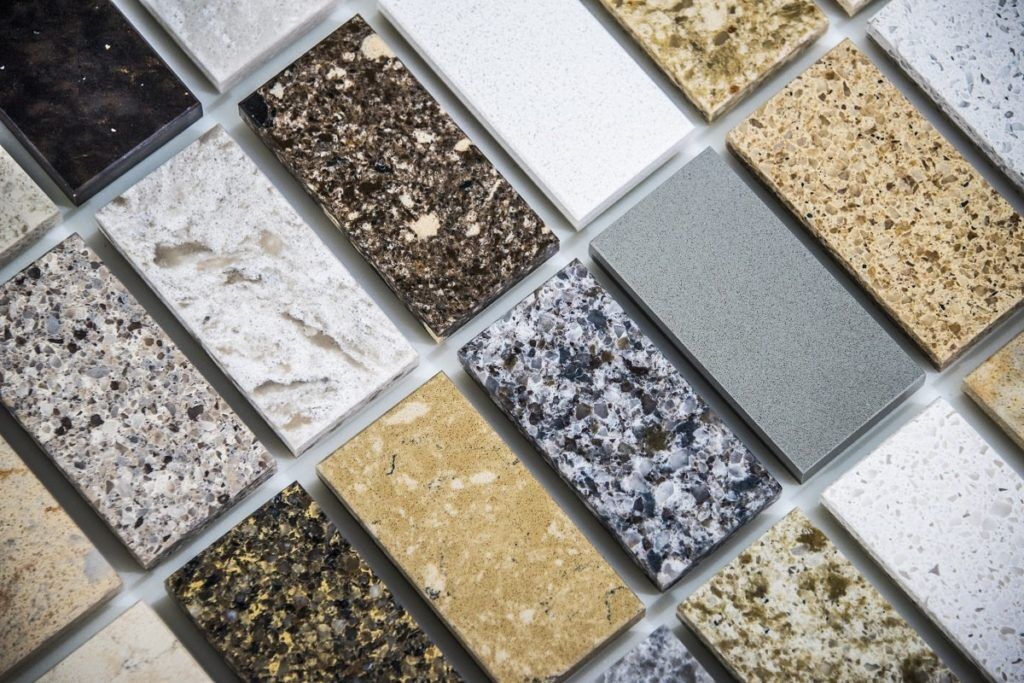
4. Color and Pattern Selection
Granite is available in a wide range of colours—from deep blacks and browns to whites and blues. When selecting granite:
- Dark colors hide stains better
- Light colors make spaces look larger
- Busy patterns can hide imperfections
Always view the full slab before purchasing, as small samples may not represent the overall look.
5. Inspect Slabs Carefully
A crucial step in any granite buying guide is inspection. Before finalising your purchase:
- Check for cracks or chips
- Look for consistent thickness
- Ensure no structural weaknesses
Natural variations are normal, but structural defects are not.
Read this article also – Pros and Cons of Granite Flooring: 2026 Complete Guide
6. Source and Origin Matter
Granite is quarried worldwide, and its origin affects quality and appearance. Common sources include:
- India
- Brazil
- Italy
- China
Each region produces granite with unique characteristics. Knowing the origin is one of the essential facts to buy granite, as it can influence durability and price.
7. Sealing is Necessary
Granite is porous, which means it can absorb liquids if not properly sealed. One of the most important facts for buying granite is:
- Granite requires periodic sealing
- Sealing prevents stains and bacteria build-up
- Frequency depends on usage and type of granite
8. Maintenance Requirements
Although granite is durable, it still needs care:
- Clean with mild soap and water
- Avoid harsh chemicals
- Reseal periodically
Understanding maintenance is crucial when buying granite for home to ensure long-lasting beauty.
Where Can You Use Granite in Your Home?
Granite is versatile and can be used in multiple areas:
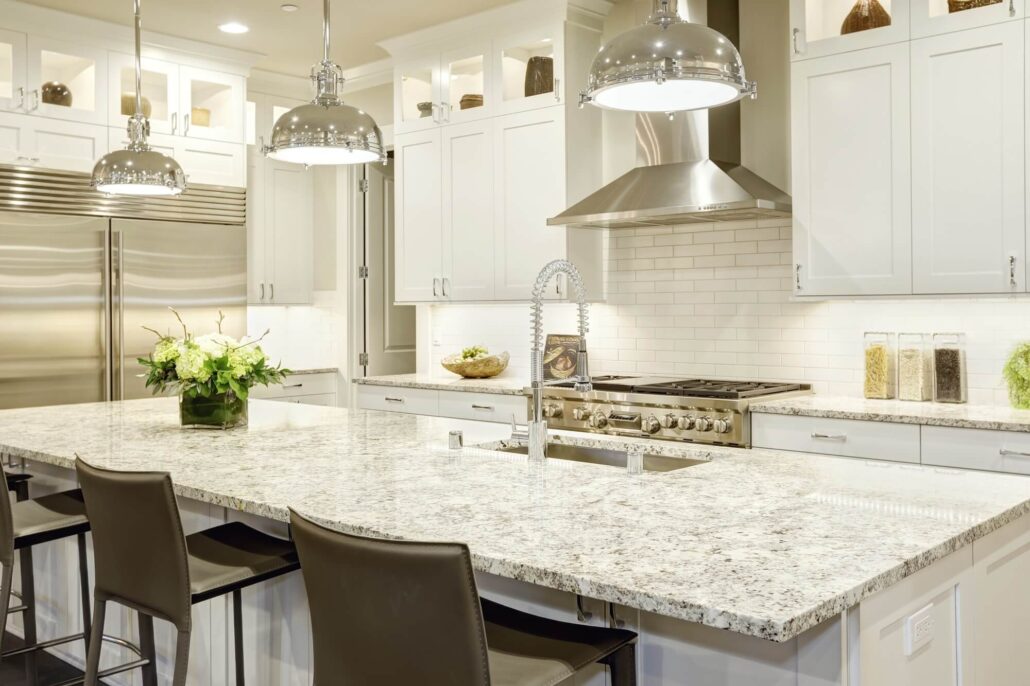
- Kitchen Countertops – Granite is ideal due to its heat and scratch resistance. It’s perfect for heavy usage and adds a premium feel.
- Bathroom Vanities – Provides elegance and durability but requires sealing to prevent water damage.
- Flooring – Granite flooring offers a luxurious look and excellent durability, though it can be heavy and costly to install.
- Fireplaces – Its heat resistance makes granite a safe and stylish option for fireplaces.
Budget Considerations
Another essential part of this granite buying guide is budgeting. Granite prices vary based on:
- Quality and grade
- Color and rarity
- Thickness
- Finish
- Installation costs
Always factor in additional costs like cutting, polishing, and installation.
Importance of Professional Installation
Granite installation is not a DIY-friendly task. It requires:
- Precise measurements
- Specialized tools
- Skilled labor
Improper installation can lead to cracks or uneven surfaces. Investing in professional installation is one of the smartest decisions when buying granite for home.
Measuring and Planning
Before purchasing granite:
- Get accurate measurements of your space
- Plan cutouts for sinks and appliances
- Consider edge profiles and design
This step helps avoid wastage and ensures a perfect fit.
Pros and Cons of Granite
Pros:
- Highly durable
- Heat and scratch resistant
- Unique natural patterns
- Adds property value
Cons:
- Requires sealing
- Can be expensive
- Heavy and needs strong support
- Limited flexibility compared to engineered stones
Understanding both sides is one of the most practical facts about buying granite.
Final Tips Before You Buy Granite
To summarise this granite buying guide, here are some final tips:
- Always buy from reputable suppliers
- Inspect full slabs, not just samples
- Choose the right finish for your needs
- Don’t compromise on installation quality
- Understand maintenance requirements
Conclusion
Buying granite is a significant investment that can transform your home’s aesthetics and functionality. By understanding these important facts for buying granite, you can make an informed decision that balances beauty, durability, and cost.
Whether you’re renovating your kitchen or designing a new space, following this detailed granite buying guide ensures you choose the perfect stone for your needs. Keep these facts to buy granite in mind, and you’ll enjoy a timeless, elegant surface that lasts for years.