Marble, Granite, or Tiles: Which Floor Fits Your Lifestyle?

Top 7 Imported Marbles to Elevate Luxury Home Interiors
September 16, 2026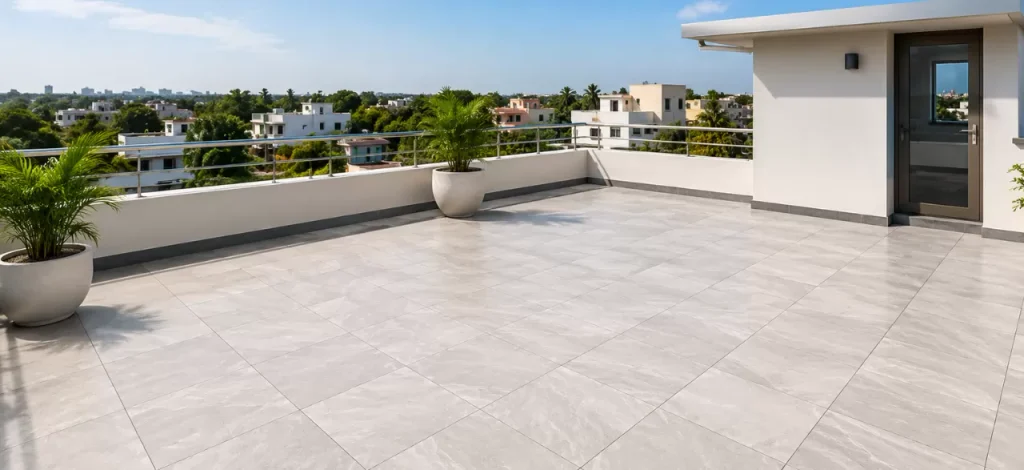
When building or renovating a home, one of the most critical decisions revolves around selecting the right surface material underfoot. The surface you pick dictates the comfort, ambiance, maintenance routine, and durability of your living space for decades. Most homeowners find themselves weighing three prime contenders: marble, granite, and tiles.
Each material presents distinctive structural traits, functional benefits, and styling possibilities. Finding the best flooring idea for your residence requires looking past showroom shine and evaluating how each surface stands up to your family’s daily lifestyle, climate, and maintenance habits.
Understanding the Contenders: Origin and Core Characteristics
The Timeless Luxury of Marble Flooring
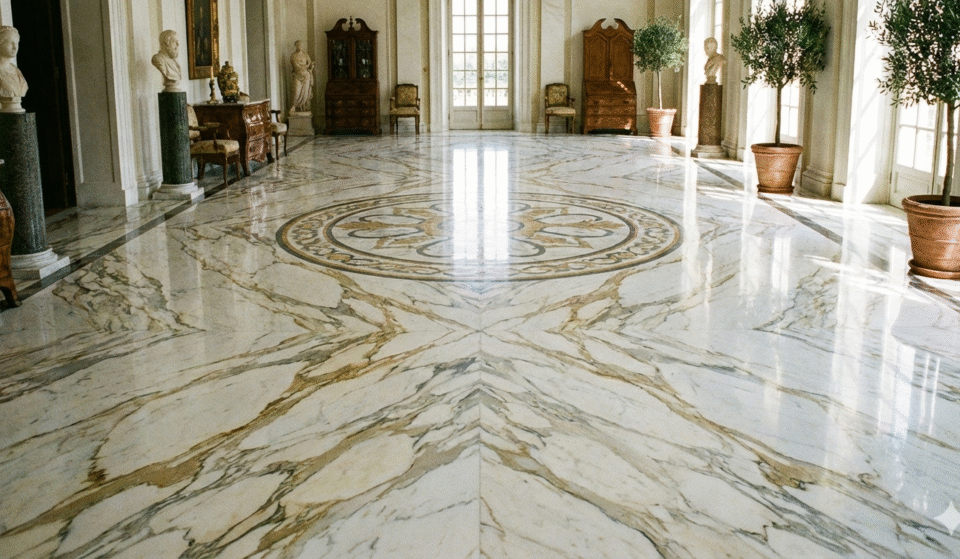
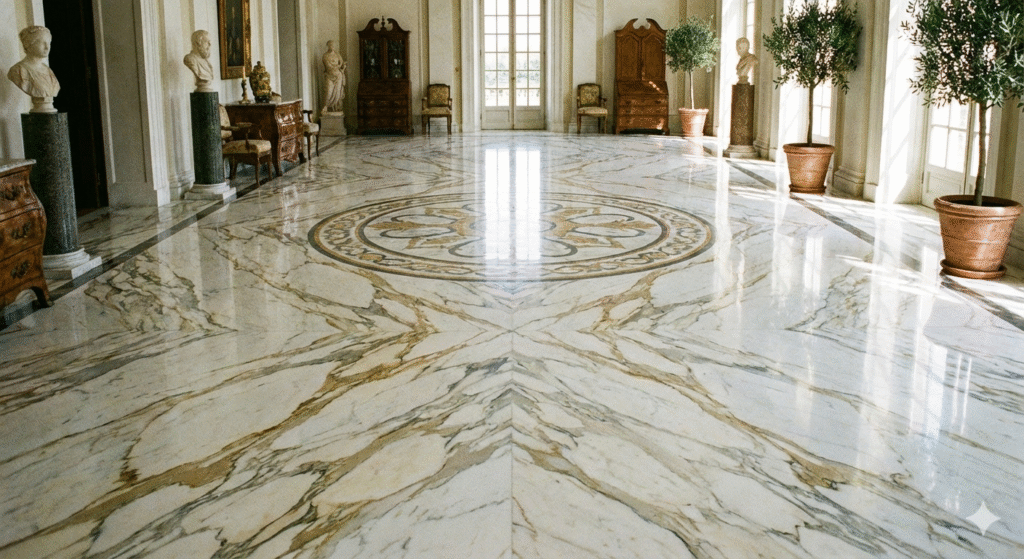
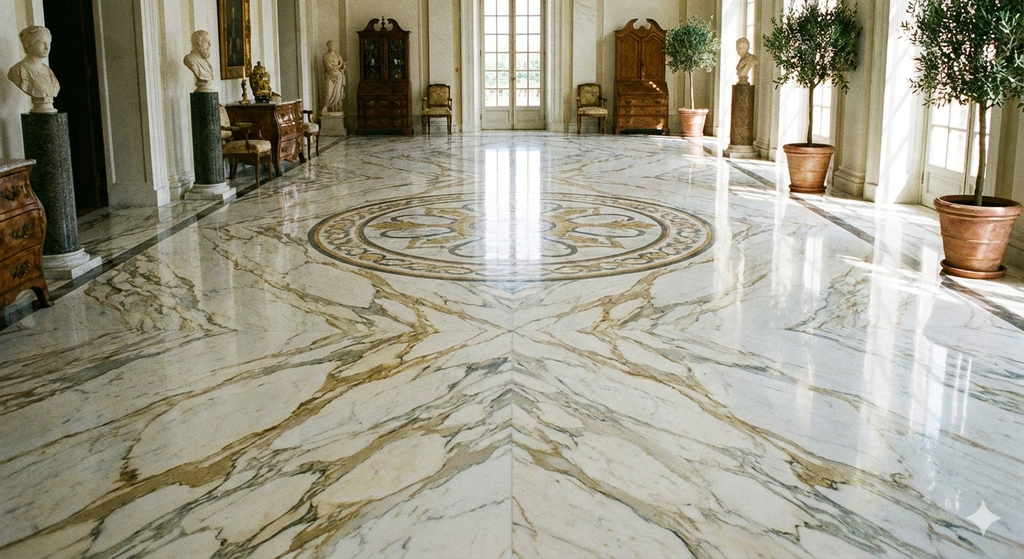
Marble is an organic metamorphic rock formed when limestone endures extreme heat and subterranean pressure over millennia. This process creates its renowned swirled veining, crystalline depth, and silky texture. Homeowners choose marble flooring because no two slabs are ever identical, giving spaces an authentic sense of royal grandeur.
From Makrana and Carrara to rich Emperador tones, marble flooring keeps rooms naturally cool during scorching summer months. However, marble is naturally porous. It requires regular sealing and careful cleaning, as acidic spills like vinegar, citrus, or coffee can quickly etch the polished surface.
The Rugged Resilience of Granite Flooring
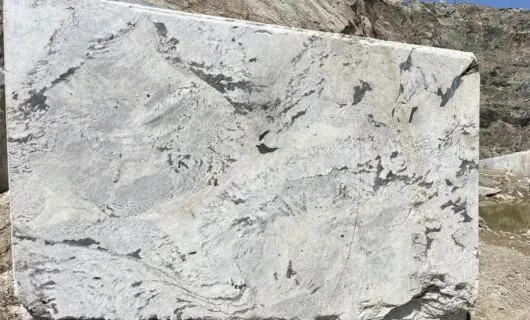
Granite is an igneous stone forged from the slow cooling and solidification of molten magma deep beneath the earth’s crust. Its crystalline composite of quartz, feldspar, and mica makes it one of the hardest natural building stones on earth.
Opting for granite flooring provides unparalleled resistance to scratches, thermal stress, heavy impacts, and staining. Sourced in premium varieties from a reputable granite exporter in India, it is available in speckled blacks, earthy browns, flamed greys, and deep reds that deliver a bold, grounded aesthetic. It requires minimal sealing compared to other stones, making granite flooring a reliable workhorse for busy zones.
Modern Tiles: Engineering Meets Adaptability
Tiles—specifically vitrified, ceramic, and glazed porcelain—are precision-manufactured surfaces engineered for modern urban life. Advanced digital printing allows contemporary tiles to replicate exotic natural stone, weathered timber, or industrial polished concrete. Because they are baked at extreme temperatures, quality vitrified tiles feature negligible water absorption, stain immunity, and consistent dimensions.
Marble vs Granite: Comparing Natural Stone Surfaces
Choosing between natural stones often leads to a direct marble vs. granite comparison. While both are quarried stones that increase property value, their daily performance differs:
- Hardness and Scratch Resistance: In the marble vs. granite debate, granite leads in raw physical hardness. Granite handles dragging furniture, pet claws, and rough grit without scratching. Marble is comparatively soft and prone to micro-abrasions if abrasive dust settles on it.
- Chemical Sensitivity and Porosity: Granite resists everyday spills effortlessly. Marble reacts adversely to acidic liquids, meaning sudden spills must be wiped up immediately to avoid permanent etching or deep-set stains.
- Visual Appeal: While granite offers an earthy, speckled look, marble delivers soft, fluid, dramatic veining that remains unmatched for high-end luxury interiors.
Understanding these trade-offs makes deciding between marble and granite simpler when planning functional layouts.
Designing Spaces: How Flooring Design Shapes Room Function
Flooring serves as the structural canvas for every room. A cohesive flooring design ensures that transitions between rooms feel natural while meeting the functional demands of each area.
+------------------+------------------------------------+--------------------------+
| Space            | Recommended Material               | Key Performance Driver   |
+------------------+------------------------------------+--------------------------+
| Formal Living    | Marble Flooring                    | Visual Luxury & Coolness |
| Kitchen & Stairs | Granite Flooring                   | Impact & Heat Resistance |
| Bath & Utility   | Anti-Skid Vitrified Tiles          | Zero Moisture Absorption |
| Terrace / Roof   | Weather-Resistant Outdoor Tiles    | Thermal & Weather Proof  |
+------------------+------------------------------------+--------------------------+
Living Rooms and Bedrooms
Your living room sets the initial aesthetic tone of the residence. Marble flooring transforms formal living areas into bright, elegant sanctuaries by maximizing natural light reflection. If you prefer low maintenance, large-format glazed vitrified tiles can mirror marble veining without requiring periodic buffing.
Kitchens, Hallways, and High-Traffic Corridors
Kitchens and corridors face heavy foot traffic, falling utensils, cooking oils, and moisture. In these workhorse zones, granite flooring proves practically indestructible. It absorbs zero grease, shrugs off hot pans, and retains its polish with routine sweeping and damp mopping.
Bathrooms and Wet Areas
Polished natural stones become slippery when wet. Vitrified tiles with textured, matte, or anti-skid finishes are the best flooring idea for shower enclosures and laundry areas, keeping families safe from slips.
Outdoor Terraces and Rooftop Flooring Ideas
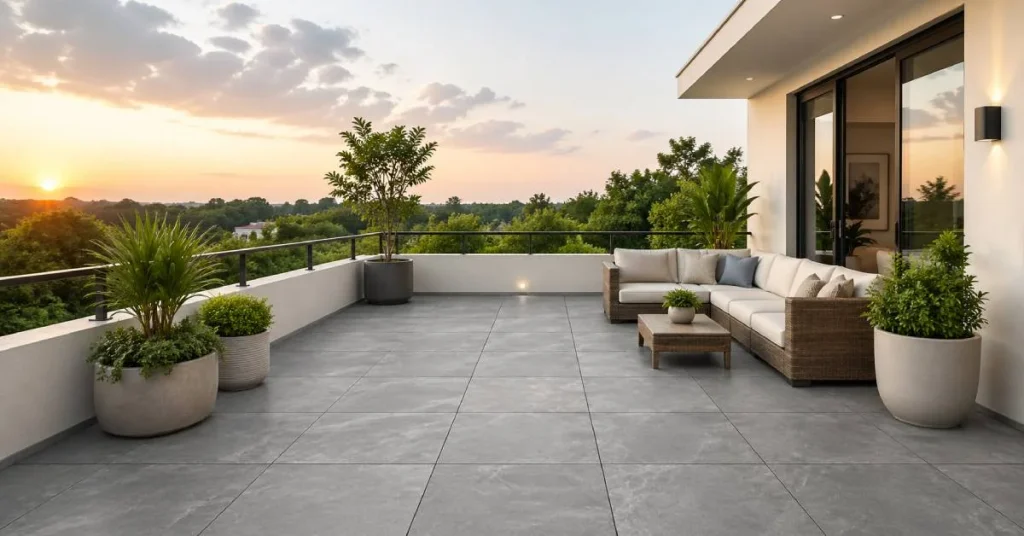
Balconies and terraces endure intense sun, torrential downpours, and wide temperature swings. Standard indoor slabs deteriorate or crack under direct thermal expansion, making proper outdoor selection essential.
- Cool Roof and White Ceramic Tiles: A top rooftop flooring idea choice involves installing high-reflectance, UV-stabilized white terrace tiles. These tiles bounce solar heat away from the building, noticeably lowering top-floor indoor temperatures.
- Flamed and Bush-Hammered Granite: Polished granite is hazardous when wet, but rough-textured granite flooring offers exceptional traction, durability, and natural rustic charm for rooftop party lounges.
- Rustic Terracotta and Vitrified Pavers: Terracotta tiles bring an earthy, organic aesthetic to open terraces, while heavy-duty vitrified exterior pavers resist fungal growth, algae, and rainwater seepage.
Finding the Best Flooring Idea for Your Lifestyle
To select the best flooring idea for your household, consider how you live day to day:
- For Busy Families with Pets and Children: If your day involves spilled juices, dropped toys, and pet claws, stain-proof vitrified tiles or tough granite flooring eliminate daily upkeep stress.
- For Lovers of Classic Luxury: If you appreciate authentic natural materials, enjoy hands-on home maintenance, and prioritize timeless elegance, authentic marble flooring remains the premier option.
- For Low-Maintenance Urban Lifestyles: If you need a straightforward sweep-and-mop routine that requires no sealing, periodic buffing, or specialized pH-neutral cleaners, modern vitrified tiles provide the most practical flooring design.
- For Year-Round Open-Air Entertaining: Pair flamed granite with anti-skid terrace tiles to execute clean rooftop flooring ideas that stay resilient through every season.
Maintenance and Long-Term Value
| Evaluation Factor | Marble Flooring | Granite Flooring | Modern Tiles |
| Material Origin | Metamorphic natural stone | Igneous natural stone | Engineered clay & silica |
| Durability | Moderate; susceptible to acids | Exceptional; scratch & chip proof | High; resistant to stains |
| Routine Maintenance | Requires periodic sealing & buffing | Low; annual sealing check | Minimal; simple mop & clean |
| Heat Resistance | Moderate | Superior | High |
| Cost Range | Premium to luxury | Moderate to premium | Budget to high-end |
In the ongoing marble vs. granite comparison, both natural stones can be ground down, re-polished, and restored after decades of use. Tiles cannot be resurfaced; damaged pieces must be replaced. Balancing long-term longevity against upfront installation effort will point you directly to the best flooring idea for your household.
Conclusion: Crafting Your Ideal Flooring Balance
You do not have to limit your home to a single material. An effective, modern flooring design often pairs materials strategically: lavish marble flooring sourced from a trusted marble exporter in India to showcase living spaces, indestructible granite flooring along kitchens and stairways, and resilient tiles in utility rooms, showers, and terraces.
By matching the distinct structural strengths of marble, granite, and tiles to your everyday routine, you ensure your floors stay stunning, safe, and durable for years to come.