A Complete Guide to Choosing Marble for Your Home in 2026

Natural Stones for Garden Landscaping: Types, Uses, and Benefits
October 19, 2026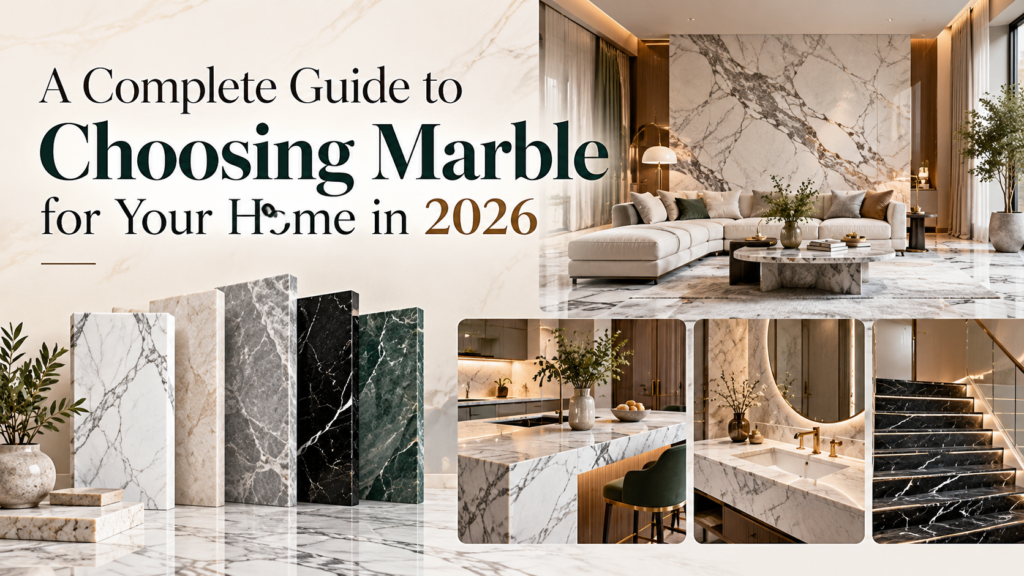
Marble has long been admired for its natural beauty, timeless elegance, and ability to transform ordinary interiors into sophisticated living spaces. From luxurious flooring and statement walls to elegant kitchen countertops and bathroom vanities, marble remains a popular choice for homeowners seeking a balance between aesthetics and lasting value.
In 2026, choosing marble is about more than selecting an attractive colour. Homeowners are increasingly considering durability, maintenance requirements, interior design compatibility, finish, and long-term value before making a decision. With numerous varieties, patterns, and finishes available, understanding the essential factors can help you select the right marble for every space in your home.
This complete guide explains how to choose marble that complements your lifestyle, meets your practical needs, and enhances your home’s overall appeal.
1. Understand the Different Types of Marble
The first step in choosing marble is understanding the characteristics of different varieties. Every marble type has its own colour palette, veining pattern, and visual personality.
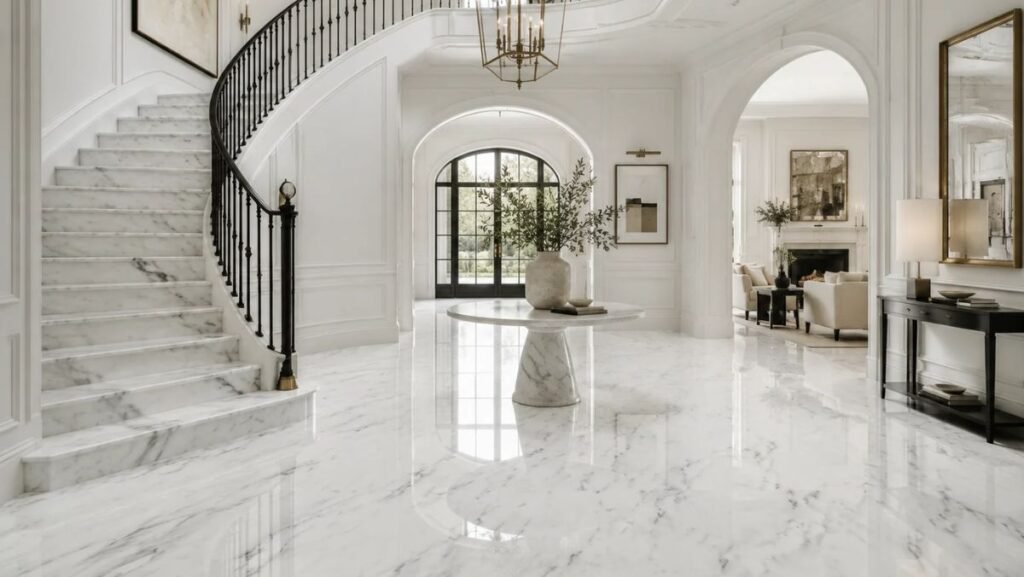
White Marble: White marble is a classic choice for contemporary and traditional interiors. Its light appearance creates a sense of openness, making it particularly suitable for living rooms, bedrooms, bathrooms, and feature walls. Depending on the variety, white marble may feature subtle grey veins or more dramatic patterns.
Black Marble: Black marble introduces depth, contrast, and sophistication. It works beautifully for accent walls, countertops, flooring details, and decorative surfaces. However, dust, water spots, and certain surface marks may be more noticeable on darker polished finishes.
Beige and Cream Marble: These warm-toned varieties create inviting, understated interiors. They pair well with wooden furniture, neutral upholstery, metallic accents, and earthy colour schemes. Beige marble is an excellent option for homeowners who prefer a timeless appearance over bold contrasts.
Green and Other Coloured Marble: Green, brown, and other richly coloured marbles can become striking focal points in a room. They are especially effective for feature walls, vanity tops, fireplace surrounds, and carefully planned decorative applications.
When comparing varieties, examine the actual slab rather than relying exclusively on photographs. Natural stone varies in colour, veining, and texture, even within the same marble category.
2. Choose Marble According to Its Application
Different areas of a home experience different levels of moisture, foot traffic, spills, and daily use. Selecting marble according to its intended application helps maintain both appearance and performance.
Marble for Flooring
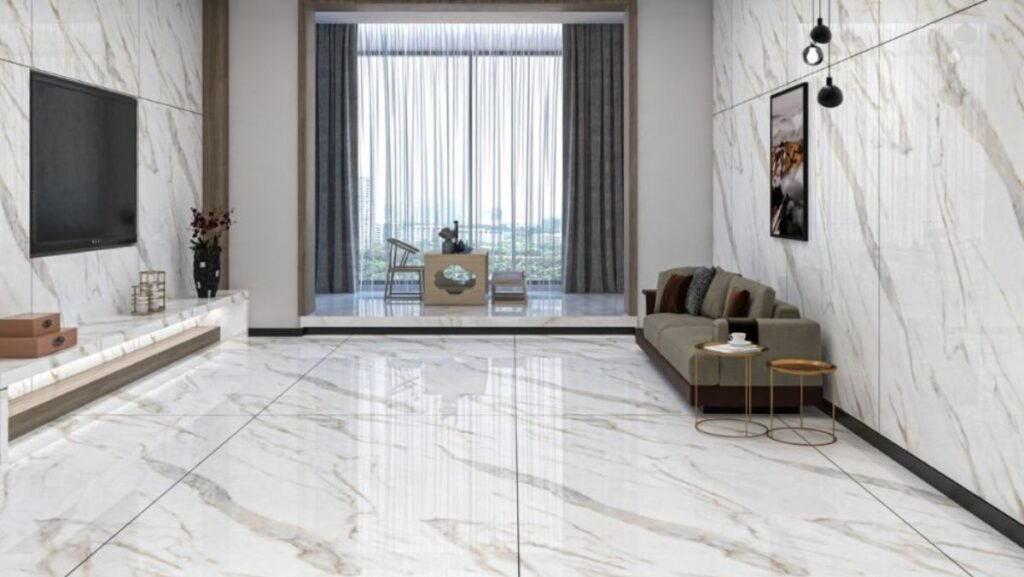
For living rooms, entrance areas, and bedrooms, consider marble with suitable durability, consistent thickness, and a finish appropriate for the level of traffic. Light-coloured marble can make smaller rooms feel more spacious, while darker varieties can create a dramatic and luxurious atmosphere.
In bathrooms and other areas exposed to water, avoid assuming that polished marble is automatically safe. A honed or appropriately textured finish may offer better traction, but slip resistance depends on the specific stone, surface treatment, and installation conditions. Request suitable slip-resistance information before making a selection.
Marble for Kitchen Countertops
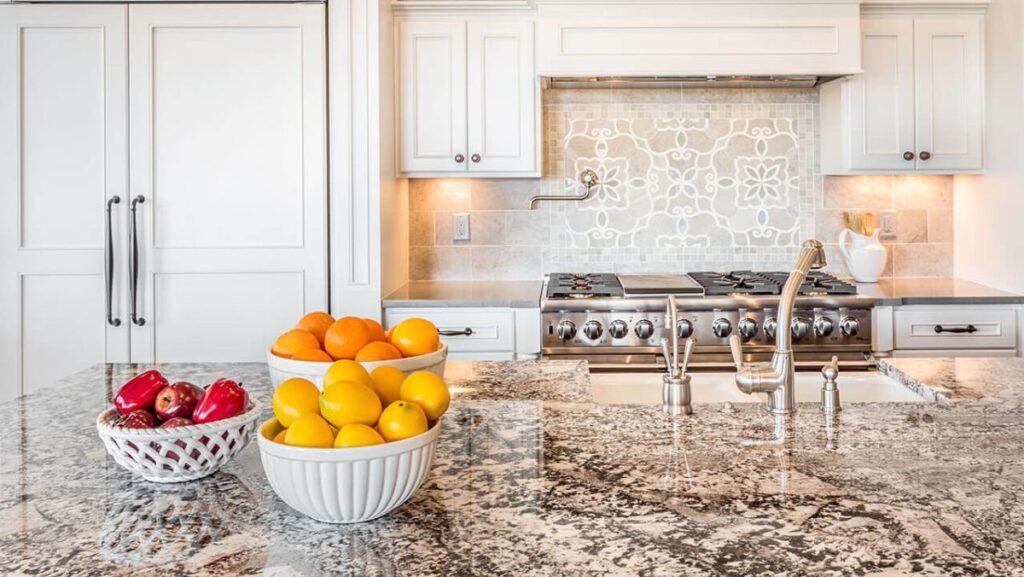
Marble countertops provide a distinctive, natural appearance that works well in both modern and traditional kitchens. However, marble contains calcite and can react with acidic substances such as lemon juice, vinegar, and certain cleaning products.
If you choose marble for a kitchen, understand that etching, staining, and scratches may develop with use. Use cutting boards, clean spills promptly, and discuss suitable sealing and maintenance with your stone supplier. Homeowners seeking a perfectly uniform, low-maintenance surface may prefer to compare marble with alternative materials.
Marble for Bathrooms
Marble is a popular choice for vanity tops, wall cladding, shower surrounds, and decorative bathroom features. Its natural patterns can create a spa-like atmosphere, especially when paired with warm lighting and simple fixtures.
Because bathrooms experience regular moisture, correct installation, suitable waterproofing, compatible adhesives, and appropriate sealing are essential. For shower floors, choose a surface that meets the required slip-resistance needs.
Marble for Feature Walls and Staircases
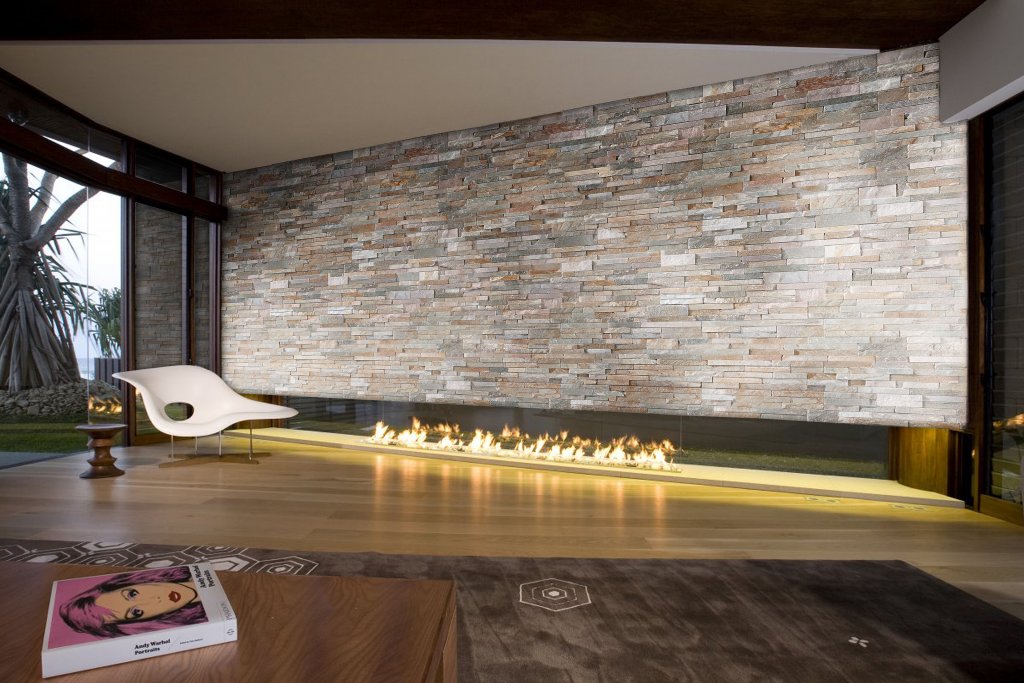
Large marble slabs can create impressive feature walls with continuous veining and fewer visible joints. Bookmatched slabs, in which adjacent pieces mirror one another, can produce a striking symmetrical effect.
For staircases, consider abrasion resistance, edge detailing, thickness, and slip safety alongside appearance. The installation system and structural support should be appropriate for the intended application.
Read More – Marble, Granite, or Tiles: Which Floor Fits Your Lifestyle?
3. Select the Right Colour and Veining Pattern
Colour influences how a room feels and how easily marble integrates with the rest of the interior.
White and light beige marble can brighten a space and complement minimalist designs. Grey marble offers a balanced, contemporary aesthetic, while black and richly colored marble can create bold focal points.
Veining is equally important. Fine, subtle veins generally create a calm and understated appearance, whereas pronounced veins introduce movement and visual drama. Before purchasing, consider the size of the installation area: a pattern that looks attractive on a small sample may appear considerably more dramatic across an entire floor or wall.
For larger installations, inspect multiple slabs together. If continuity matters, discuss vein direction, slab matching, and bookmatching with your supplier before fabrication begins.
4. Understand Marble Finishes
The finish affects marble’s appearance, texture, maintenance, and suitability for different spaces.
- Polished finish: Provides a glossy surface that enhances colour and veining. It is popular for formal living spaces, wall cladding, and decorative applications, but may show scratches, water spots, and etching more clearly.
- Honed finish: Creates a smooth, matte appearance with less reflection. It offers a softer, contemporary look, although it is not inherently stain-proof or slip-proof.
- Brushed or textured finish: Introduces additional surface texture and can suit rustic, natural, or understated designs. Its performance depends on the specific texture and application.
Choose the finish according to the room’s function, lighting, cleaning routine, and safety requirements rather than appearance alone.
5. Evaluate Quality Before Buying Marble
Marble is a natural material, so variations are expected. However, careful inspection can help you identify slabs that suit your project.
Check the slab for visible cracks, fissures, uneven thickness, repairs, resin treatment, and significant colour inconsistencies. Natural veins are not automatically defects, and some fissures may be characteristic of a particular stone. Ask a qualified supplier to explain any areas of concern and assess whether they are suitable for the intended use.
Also confirm the slab’s dimensions, usable area, thickness, finish, and fabrication requirements. For large projects, inspect and approve the actual slabs before cutting, particularly when colour matching or continuous veining is important.
6. Set a Realistic Marble Budget
The total cost of marble extends beyond the price per square foot. Your budget should account for the stone, transportation, wastage, cutting, polishing, installation, edge profiles, sealing, and ongoing maintenance.
Premium varieties, rare colours, distinctive veining, and carefully matched slabs may cost more. Complex patterns and bookmatching can also increase fabrication expenses.
Ask for an itemised quotation and compare equivalent specifications rather than choosing solely on the lowest price. Purchasing the correct quantity and planning slab layouts in advance can help reduce unnecessary wastage.
7. Consider Maintenance and Long-Term Care
Marble requires appropriate care to preserve its natural appearance. Use a pH-neutral cleaner formulated for natural stone, wipe spills promptly, and avoid acidic cleaners, abrasive powders, and harsh chemicals unless specifically approved for the material.
Sealing can reduce the risk of liquid absorption, but it does not make marble completely stain-proof or protect it from acid etching. The need for resealing depends on the stone, sealer, location, and frequency of use.
For floors and countertops, use protective pads where appropriate and avoid dragging heavy objects across the surface. Professional assessment may be necessary if deep stains, scratches, or etching occur.
8. Choose a Reliable Marble Supplier
A dependable supplier can make the selection and installation process considerably easier. Look for transparent product information, consistent slab availability, clear specifications, and guidance on maintenance and suitability.
Galaxy Exports can be considered when exploring marble options for residential projects. Before finalising an order, request slab photographs or an in-person inspection, confirm dimensions and finish, clarify delivery and replacement policies, and discuss installation requirements with the relevant professionals.
The right supplier should help you understand the stone’s characteristics and limitations rather than focusing exclusively on its appearance.
Conclusion
Choosing marble for your home in 2026 requires a thoughtful balance between beauty, practicality, budget, and maintenance. Start by identifying where the stone will be installed, then compare suitable varieties, colours, veining patterns, finishes, and quality characteristics. Working with a reliable marble exporter in India can help you explore quality marble options for your home’s unique design and functional needs.
Most importantly, inspect the actual slabs and make an informed decision based on your household’s needs. With careful planning and the right guidance, marble can become a distinctive feature of your home for years to come.
Frequently Asked Questions (FAQs)
1. Which marble is best for a home in 2026?
The best marble depends on the intended application, interior style, budget, and maintenance preferences. White and beige marble suit bright, timeless interiors, while grey, black, and coloured varieties create more dramatic designs. Always assess the stone’s suitability for the specific room before purchasing.
2. Is marble suitable for kitchen countertops?
Yes, marble can be used for kitchen countertops, but it requires careful maintenance. Because it is susceptible to acid etching and staining, homeowners should clean spills promptly, use cutting boards, select suitable cleaning products, and discuss sealing with a natural-stone professional.
3. Which marble finish is best for flooring?
Polished marble offers a glossy, elegant appearance, while honed marble provides a softer, matte look. In wet or frequently used areas, the most appropriate choice depends on verified slip resistance, surface texture, cleaning requirements, and the conditions of installation.
4. How can I identify good-quality marble?
Inspect the actual slab for cracks, repairs, uneven thickness, and variations that may affect the finished installation. Confirm the stone’s dimensions, finish, and intended use, and ask the supplier to explain any fissures or treatments. Natural colour and veining variations are normal and do not necessarily indicate poor quality.
5. Does marble require regular sealing and maintenance?
Marble benefits from routine cleaning and may require periodic sealing, depending on its porosity, the application, and the sealer used. Sealing reduces liquid absorption but cannot prevent acid etching. Use a suitable pH-neutral cleaner and follow the supplier’s recommendations for ongoing care.