Marble vs Granite: Key Differences You Need to Know

Why Use Marble? Benefits, Types & Design Applications for Elegant Interiors
June 17, 2025
7 Must-Know Marble Buying Tips for Homeowners
June 27, 2025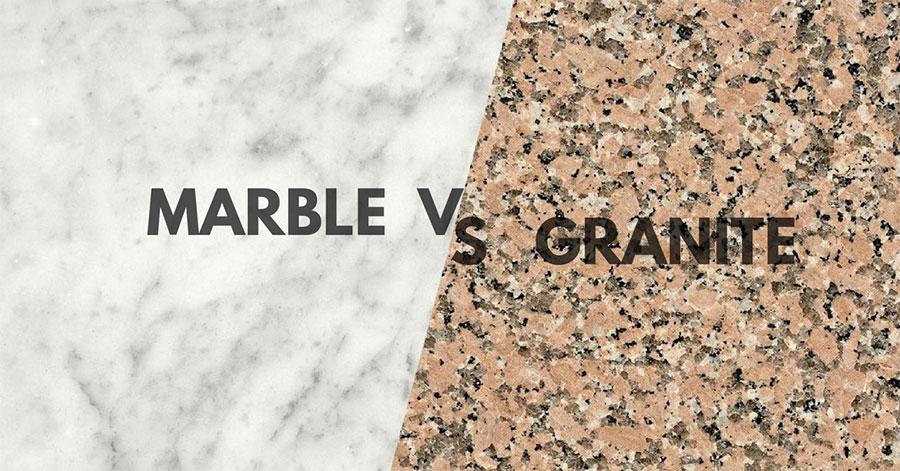
When designing or renovating a home, one of the most important decisions involves choosing the right material for countertops, flooring, or other surfaces. Among the top contenders are two of nature’s most beautiful stones: marble and granite. Both are luxurious, durable, and timeless, but they differ in several critical ways. Whether you’re sourcing materials locally or from a granite supplier in India, understanding the key characteristics of each stone is essential. In this guide, we’ll explore the difference between marble and granite in terms of origin, durability, resistance to stains, cleaning requirements, and more.
1. Origin of Granite and Marble
Understanding the origin of these stones helps in appreciating their structure and performance characteristics.
Granite: The Igneous Powerhouse
Granite is an igneous rock, which means it forms from the cooling and solidification of magma beneath the Earth’s surface. This slow cooling process allows large crystals to form, giving granite its coarse-grained texture and speckled appearance. Granite is primarily composed of quartz, feldspar, and mica, making it incredibly hard and durable.
Marble: The Metamorphic Masterpiece
Marble, on the other hand, is a metamorphic rock that originates from limestone. Under high pressure and heat within the Earth’s crust, limestone undergoes a transformation to become marble. This process re-crystallises the calcite minerals in the limestone, resulting in the smooth, veined texture that marble is famous for.
Key Takeaway:
The marble and granite difference begins right at their geological formation—granite is igneous, while marble is metamorphic. This core difference affects many of their properties.
2. Appearance and Aesthetic Appeal
When comparing the marble vs granite difference in appearance, it all comes down to personal preference.
Marble: Elegant and Flowing
Marble typically features a smooth surface with flowing veins of colour that add elegance and softness. Popular varieties include Carrara, Calacatta, and Statuario marbles, known for their white or light-coloured base with grey, gold, or blue veining.
Granite: Bold and Granular
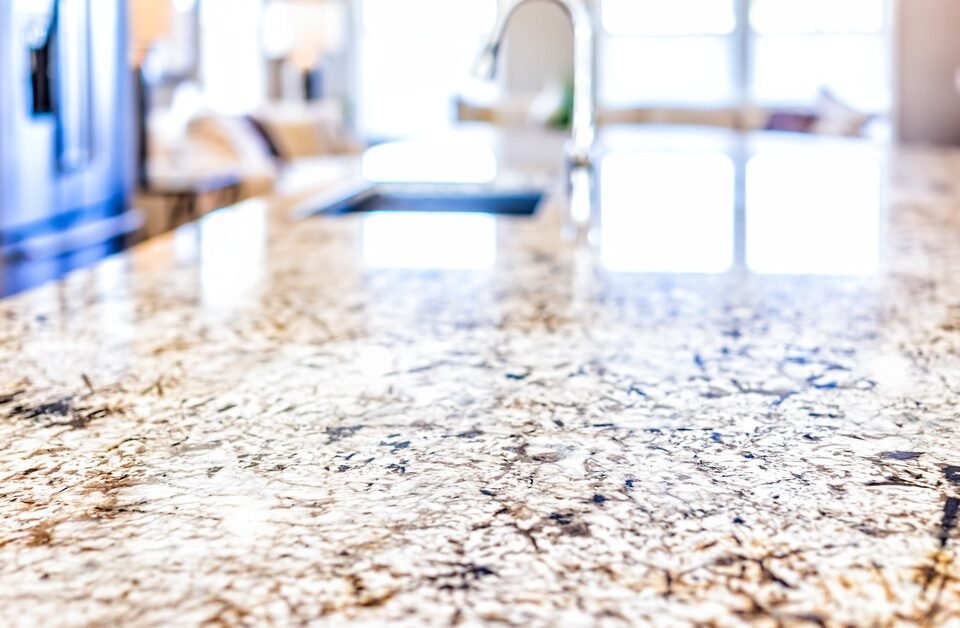
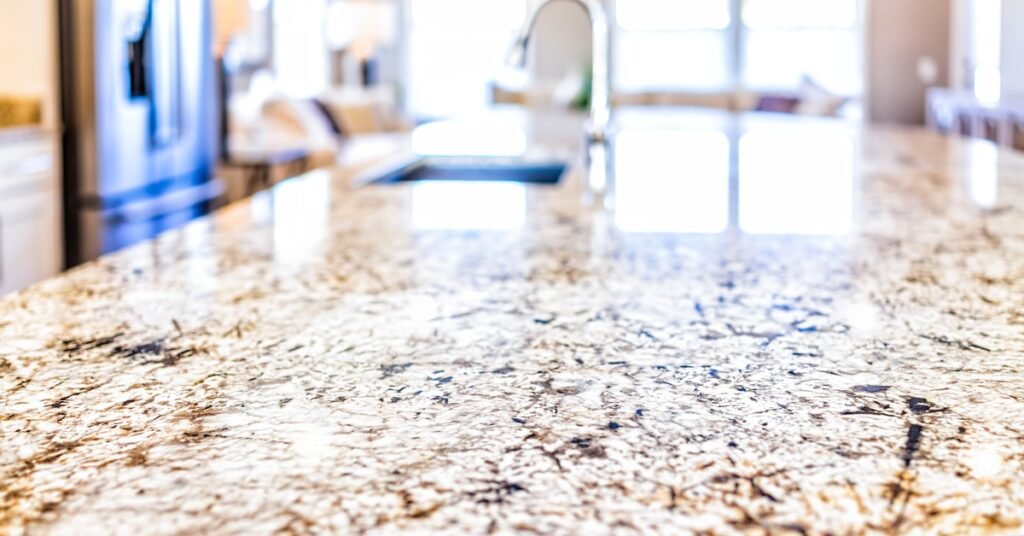
Granite offers a more speckled and varied appearance, thanks to its mineral content. It comes in a wide range of colours, from blacks and browns to blues and greens, often with dramatic flecks and patterns.
Key Takeaway:
The differences between marble and granite in aesthetics lies in texture and pattern. Marble offers veining and smoothness, while granite brings speckled, bold colour combinations.
3. Strength and Durability
Durability is crucial when selecting a material for kitchens, bathrooms, or flooring.
Granite: Extremely Durable
Granite is renowned for its hardness and resistance to scratches and heat. Ranking 6-7 on the Mohs hardness scale, it is one of the toughest natural stones used in construction. This makes granite ideal for high-traffic areas and heavy-duty kitchen countertops.
Marble: Softer but Still Strong
While still a durable stone, marble is softer than granite and ranks around 3-5 on the Mohs scale. It is more prone to scratching and etching, especially from acidic substances like lemon juice or vinegar.
Key Takeaway:
When comparing marble granite difference in strength, granite wins. If your application demands a tougher surface, granite is typically the better choice.
4. Stain Resistance
One of the major differences between marble and granite lies in how they handle spills and stains.
Granite: More Resistant
Thanks to its dense structure and low porosity, granite is naturally more resistant to staining than marble. Sealed properly, granite countertops can repel liquids like wine, oil, and coffee effectively.
Marble: More Porous
Marble is more porous and prone to absorbing liquids, which can lead to stains if not cleaned promptly. This makes it less ideal for messy kitchens unless it is regularly sealed and meticulously maintained.
Key Takeaway:
In terms of stain resistance, granite again has the upper hand in the marble and granite difference comparison.
5. Use of Sealants
Both marble and granite benefit from sealants, but their needs vary.
Granite: Occasional Sealing
Granite may only need to be sealed once a year or even less often, depending on usage and type of stone. Modern granite often comes pre-sealed, adding to its appeal as a low-maintenance option.
Marble: Frequent Sealing Required
Because marble is more porous, it requires more frequent sealing—sometimes every six months—to prevent stains and etching. Neglecting this can lead to permanent damage.
Key Takeaway:
The marble vs granite difference in sealing requirements is clear: marble demands more upkeep.
6. Cleaning and Maintenance
Safe cleaning practices can prolong the life of your natural stone surfaces.
Granite: Easier to Clean
Granite is relatively easy to clean. Warm water and mild dish soap are usually sufficient. Harsh chemical cleaners are not necessary and can sometimes be damaging to the sealant.
Marble: Requires Special Care
Marble is more sensitive and can be damaged by acidic or abrasive cleaners. Always use pH-neutral cleaners designed specifically for natural stone. Even something as simple as vinegar can etch the surface of marble.
Key Takeaway:
In the differences between marble and granite, granite is significantly easier to clean and maintain.
7. Heat Resistance
Granite: Highly Heat Resistant
Granite can withstand high temperatures, making it perfect for kitchen countertops where hot pots and pans are a regular occurrence.
Marble: Less Heat Resistant
Marble is also heat resistant, but not as much as granite. Prolonged exposure to heat can lead to discolouration or even cracking.
Key Takeaway:
For high-temperature environments, granite offers better performance. Another point in the marble granite difference chart for granite.
8. Cost Comparison
Granite: Moderate to High Cost
Granite prices vary based on rarity and source but are generally more budget-friendly than high-end marble.
Marble: Typically More Expensive
Marble is often more expensive, especially premium types like Calacatta or imported Italian varieties. The frequent need for sealing and maintenance can also add to long-term costs.
Key Takeaway:
When looking at cost and maintenance combined, granite typically provides better long-term value.
9. Popular Uses in Construction and Interior Design
Granite Applications
- Kitchen countertops
- Outdoor patios
- Bathroom vanities
- Fireplace surrounds
Marble Applications
- Bathroom floors and walls
- Decorative columns
- Sculptures and art pieces
- Elegant tabletops
Key Takeaway:
The marble and granite difference in application is often stylistic. Marble brings classical elegance, while granite contributes practicality and variety.
10. Environmental and Longevity Factors
Both marble and granite are natural, sustainable materials with a long life span.
Granite: Long Lifespan, Less Maintenance
With minimal care, granite can last for decades without losing its appeal. Its durability reduces the need for replacements, making it environmentally friendly.
Marble: High Maintenance, But Timeless
Though more delicate, marble has been used in iconic buildings for centuries. With proper care, it can also last a lifetime.
Conclusion: Which Is Better for You?
So, what’s the final verdict on the differences between marble and granite? It depends on your priorities:
| Feature | Granite | Marble |
|---|---|---|
| Origin | Igneous rock | Metamorphic rock |
| Durability | High | Moderate |
| Appearance | Speckled, bold | Smooth, veined |
| Stain Resistance | Good (low porosity) | Fair (high porosity) |
| Maintenance | Low | High |
| Heat Resistance | Excellent | Moderate |
| Cost | Moderate | High |
| Ideal Use | Kitchens, outdoor areas | Bathrooms, decorative spaces |
If you’re seeking durability, ease of maintenance, and heat resistance—granite is your best bet. But if you’re after classic beauty and elegance with a willingness to maintain it, marble remains unmatched.
Ultimately, understanding the differences between marble and granite allows homeowners and designers to make informed, style-conscious, and budget-friendly decisions. Whether you favour the rugged practicality and low maintenance of granite or the graceful charm and elegance of marble, both materials offer unique benefits that suit different design needs. Sourcing quality stone is equally important, and working with a trusted marble supplier in India or a reputable granite vendor ensures access to premium materials and expert guidance. Both marble and granite bring natural beauty, durability, and timeless value to any residential or commercial space, making them wise long-term investments.