How to Clean and Maintain Natural Stone Surfaces Properly

Marble, Granite, or Tiles: Which Floor Fits Your Lifestyle?
October 6, 2026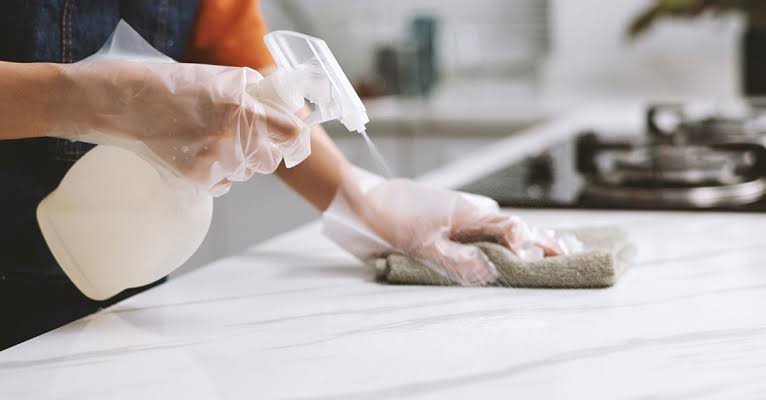
Natural stone brings organic luxury, timeless elegance, and architectural strength to residential and commercial properties alike. Whether you choose granite, marble, limestone, slate, or travertine, incorporating these elements enhances living spaces with enduring character. However, because natural stone is an organic, porous material, keeping it looking pristine requires a deliberate and educated approach.
Understanding proper natural stone maintenance prevents permanent discoloration, surface etching, and premature aging. Many property owners inadvertently damage their installations simply because they treat stone like ceramic tile or laminate. This comprehensive guide outlines the essential protocols you need to protect your investment, extend its lifespan by decades, and keep every surface radiant.
Why Proper Natural Stone Surfaces Maintenance Matters
Every type of natural stone features microscopic pores and capillaries across its surface. These pores naturally absorb liquids, oils, pigments, and moisture if left exposed. Without a structured routine for natural stone surface maintenance, daily contaminants sink deep beneath the surface polish, creating stubborn stains and internal structural degradation.
Foot traffic carries abrasive grit that acts like sandpaper against floor tiles, while ambient humidity and ultraviolet light can dull the original finish over time. As any leading natural stone exporter in India will advise, proactive natural stone surface maintenance is an investment protection strategy rather than a chore. Consistent, gentle care costs only a fraction of what professional resurfacing, honing, or full replacement demands down the line.
Daily Protocols to Clean Natural Stone Surfaces
The easiest way to preserve stone is through quick, daily upkeep. Routine habits prevent grime from accumulating and stop chemical reactions before they damage delicate mineral structures.
1. Daily Floor and Cladding Care
- Sweep with a Microfiber Mop: Remove loose dust, fine sand, and outdoor debris daily using a dry microfiber dust mop. Avoid vacuum cleaners with rotating beater bars, as the stiff bristles or hard plastic wheels can leave micro-scratches on polished finishes.
- Mop with Warm Water and Mild Solutions: When you clean natural stone, always use warm water mixed with a dedicated pH-neutral stone wash or a diluted solution of mild dish soap (1:10 ratio).
- Dry Buffing: Never let mop water pool on floors or decorative wall cladding. Buff dry with a soft microfiber towel to eliminate water marks and prevent dull mineral rings.
2. Countertop and Vanity Protection
- Wipe Immediately After Use: Always wipe away food residue, grease splashes, and condensation after meal preparation or bathroom use.
- Treat Spills as Emergencies: Acidic liquids—including lemon juice, vinegar, tomato paste, wine, and coffee—react instantly with the calcium carbonate found in marble, limestone, and travertine. Blot up spills immediately using a blotting motion; never rub or wipe aggressively across the slab, as this spreads the spill over a wider area.
- Use Physical Barriers: Even resilient stones can suffer thermal shock or micro-fractures if hot pots and baking dishes sit directly on them. Always use trivets, coasters, hot pads, and cutting boards.
Choosing the Right Cleaners: What to Use and What to Avoid
Using the wrong chemical is the leading cause of irreversible stone damage. Harsh chemicals strip protective sealants and chemically burn polished stone finishes.
| What to Use | What to Avoid |
| pH-Neutral Stone Cleaners: Formulated specifically to lift dirt without breaking down sealers. | Acidic Household Cleaners: Vinegar, lemon juice, toilet bowl cleaners, and citrus sprays. |
| Mild Dish Soap: Gentle, non-acidic liquid soap diluted generously in warm water. | Abrasive Scrubbers: Steel wool, scouring pads, and gritty cleaning powders. |
| Soft Microfiber Cloths: Ultra-fine textiles that capture grit without scratching. | Harsh Alkalines & Solvents: Concentrated bleach, pure ammonia, or generic bathroom descalers. |
| Specialized Stone Poultices: Mixtures designed to pull deep-seated oil or organic stains from pores. | Waxes & Generic Polishes: Formulations that create a waxy film, trapping dirt and reducing breathability. |
When you prepare natural stone to clean, always inspect the product label to verify it is non-acidic, phosphate-free, and formulated safe for natural mineral surfaces.
Weekly and Monthly Natural Stone Maintenance Tasks
While daily care handles surface dust, a periodic maintenance routine addresses hidden dirt and monitors the condition of your stone’s protective seal.
Weekly Deep Cleans and Visual Inspections
Dedicate time once a week to clean along grout lines, tile seams, backsplash joins, and countertop edges. These transitional areas frequently trap stagnant moisture and cooking grease.
During your weekly session, conduct a visual inspection under good lighting:
- Look for localized dull spots or cloudiness where acidic liquids may have etched the polish.
- Check for hairline cracks in grout joints that could allow moisture infiltration.
- Observe whether water beads cleanly on high-wear zones or begins to soak in.
Monthly Stain Remediation with a Poultice
If an accidental spill has penetrated the pores, standard wiping will not lift it. A stone-safe poultice pulls the contaminant back out of the stone capillary network:
- Organic Stains (Coffee, Tea, Fruit Juice): Mix a poultice paste using food-grade hydrogen peroxide and an inert absorbent powder (such as diatomaceous earth, talc, or baking soda). Apply a 1/4-inch layer over the stain, tape plastic wrap over it, leave it to draw out the stain for 24 hours, and then wipe clean.
- Oil-Based Stains (Cooking Oil, Cosmetics, Grease): Combine baking soda with mineral spirits or acetone to form a paste, apply over the oily patch, and let it dry completely before gently scraping and wiping away.
- Rust Marks: Always use specialized, non-acidic rust removers engineered specifically for natural stone.
The Critical Role of Sealing
Natural stone is porous, and applying a quality penetrating (impregnating) sealer is the cornerstone of effective natural stone maintenance. Penetrating sealers soak beneath the surface to line the stone’s microscopic pores, repelling water, oils, and contaminants while allowing the material to breathe naturally.
The Water Bead Test
Perform the simple “water bead test” every three to four months:
- Sprinkle a few drops of clean water onto the stone surface.
- Wait 10 to 15 minutes.
- If the water beads tightly on the surface, the seal remains strong. If the stone darkens or absorbs the water, it is time to reapply your sealer.
Sealing Frequency by Stone Type
- Granite: Every 1 to 2 years, depending on traffic and daily exposure to moisture.
- Marble: Every 6 to 12 months, as its softer, calcite-based structure requires frequent protection.
- Limestone & Travertine: Every 3 to 9 months, given their highly porous and absorbent nature.
- Sandstone & Slate: Every 1 to 2 years, particularly when installed in outdoor or high-humidity environments.
Always thoroughly clean and allow the stone to dry for at least 24 hours before applying a fresh coat of sealer. Applying sealant over dirt or moisture traps discoloration permanently inside the pores.
How to Tailor Care to Your Specific Natural Stone Use
The recommended care protocol changes significantly depending on where and how your natural stone use is planned across your property:
Kitchen Countertops
Kitchen installations endure heavy chemical, thermal, and mechanical stresses. Prioritize dense granites or quartzites for heavy prep zones. Maintain a strict habit to quickly natural stone clean any food splatter, and keep cutting boards and silicone heat trivets readily accessible next to the range.
Bathroom Vanities and Shower Surrounds
High-humidity areas invite mineral buildup, soap scum, and moisture retention. For bathroom natural stone use, squeegee shower walls and surrounds dry after every use to stop hard-water deposit formation. Avoid setting cosmetic bottles, perfumes, and aftershaves directly on vanity surfaces, as alcohol and essential oils can quickly dissolve protective sealers.
High-Traffic Flooring
Entryways, hallways, and living spaces face continuous abrasion from dirt and grit. Place coarse doormats outside entrances and soft runner rugs inside to capture foot-borne particles before they touch the stone. Affix heavy-duty felt pads beneath every piece of furniture—including dining chairs and end tables—to prevent gouging.
Outdoor Patios and Cladding
Exterior stone faces freeze-thaw cycles, direct solar radiation, and standing rainwater. Choose frost-resistant varieties, ensure adequate deck drainage so water cannot pool, and avoid pressure washing at high PSI, which can blast away surface stone particles and damage mortar beds.
Professional Servicing: When to Call an Expert
While regular homeowner care preserves day-to-day beauty, scheduling periodic professional maintenance keeps your natural stone in showroom condition. Consider hiring an expert stone restoration technician once every 12 to 24 months for:
- Diamond Honing and Polishing: Specialized mechanical abrasives smooth away surface scratches, etch marks, and traffic-worn pathways, returning an even, uniform sheen without chemical coatings.
- Deep Slurry Extraction: Industrial rotary extraction equipment flushes deep-seated dirt and old sealer buildup from micro-fissures.
- Grout Restoration and Resealing: Professional deep cleaning, color-sealing, or repair of deteriorated grout lines reinforces water resistance across the entire installation.
- Epoxy Crack Repair: Color-matched resin patching seamlessly stabilizes minor chips, pitting, or natural fissures.
Summary Checklist for Long-Lasting Natural Stone
By implementing structured natural stone surfaces maintenance, your architectural stone installations can easily last over a century while retaining their full value and visual appeal:
- Daily: Dust mop floors, blot spills immediately, and wipe food prep areas with a pH-neutral cleaner and microfiber towel.
- Weekly: Conduct a thorough clean along grout lines and visual inspection for dullness or moisture absorption.
- Monthly: Address developing stains using targeted poultices, and wipe down architectural moldings and vertical cladding.
- Quarterly: Conduct the water bead test to evaluate your sealer’s performance.
- Annually: Reapply a breathable, penetrating sealer and arrange professional honing or deep cleaning as required.
Investing just a few minutes of attentive care each week ensures your stone surfaces remain an exquisite, enduring centerpiece of your home.