Natural Stones for Garden Landscaping: Types, Uses, and Benefits

How to Clean and Maintain Natural Stone Surfaces Properly
October 10, 2026
A beautiful garden is more than just a collection of plants and flowers. The right landscaping materials can transform an ordinary outdoor space into an attractive, functional, and relaxing environment. Natural stones for garden landscaping are a popular choice because they combine timeless beauty, durability, and versatility. From decorative garden pebbles and gravel pathways to stone steps, borders, and rock gardens, natural stones offer countless possibilities for enhancing outdoor spaces.
Whether you are designing a small home garden, a spacious lawn, or a modern landscape, understanding the different types of natural stones, their uses, and their benefits can help you make the right choice.
What Are Natural Stones for Garden Landscaping?
Natural landscaping stones are materials obtained from natural rock formations and processed into suitable sizes and shapes for outdoor applications. Unlike manufactured decorative materials, natural stones feature unique colours, textures, patterns, and finishes that give gardens an organic appearance.
Common options include sandstone, granite, limestone, marble, slate, river pebbles, and crushed stone. Each type has different characteristics, making it suitable for particular landscaping requirements.
Natural stones can be used for decorative purposes as well as practical applications, such as creating pathways, improving drainage, defining planting areas, and constructing retaining walls.
Types of Natural Stones for Garden Landscaping
1. Sandstone
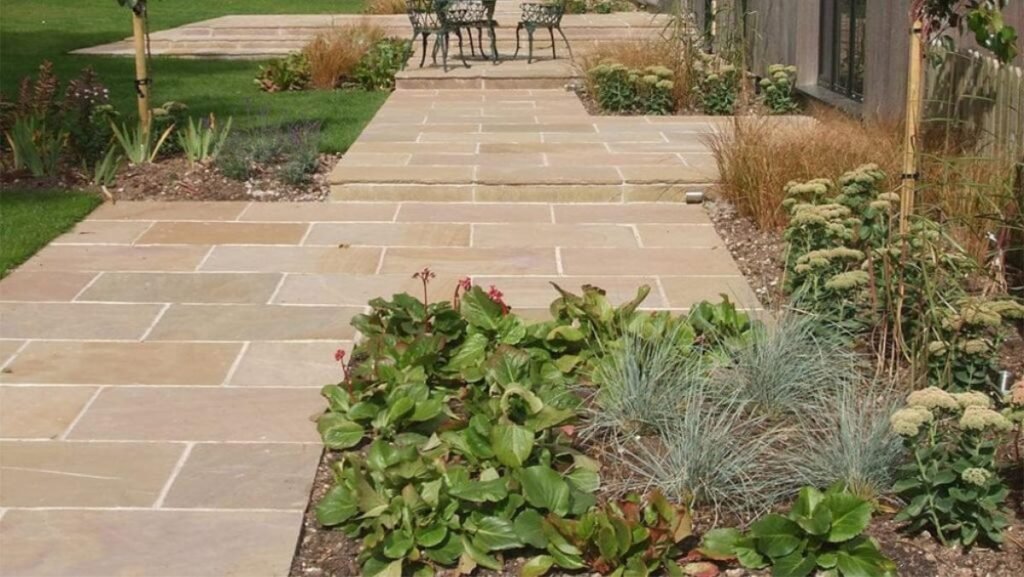
Sandstone is a widely used natural stone for garden landscaping because of its earthy colours, textured surface, and versatile appearance. Available in shades of beige, brown, red, yellow, and pink, it complements both traditional and contemporary outdoor designs.
Sandstone is suitable for garden pathways, stepping stones, patios, retaining walls, and decorative borders. Its natural appearance blends beautifully with lawns, flowering plants, and trees. However, sandstone can be relatively porous, so choosing an appropriate grade and finish is important, especially in areas exposed to heavy rainfall.
2. Granite
Granite is a hard, durable natural stone known for its strength and resistance to everyday wear. A reliable granite exporter in India can provide granite in various colors, including grey, black, pink, and speckled combinations.
Granite works well for garden steps, paving, edging, outdoor seating, and high-traffic walkways. Its durability makes it a practical option for landscaping projects that require long-lasting performance. For pathways and steps, select a suitably textured or non-slip finish to improve safety.
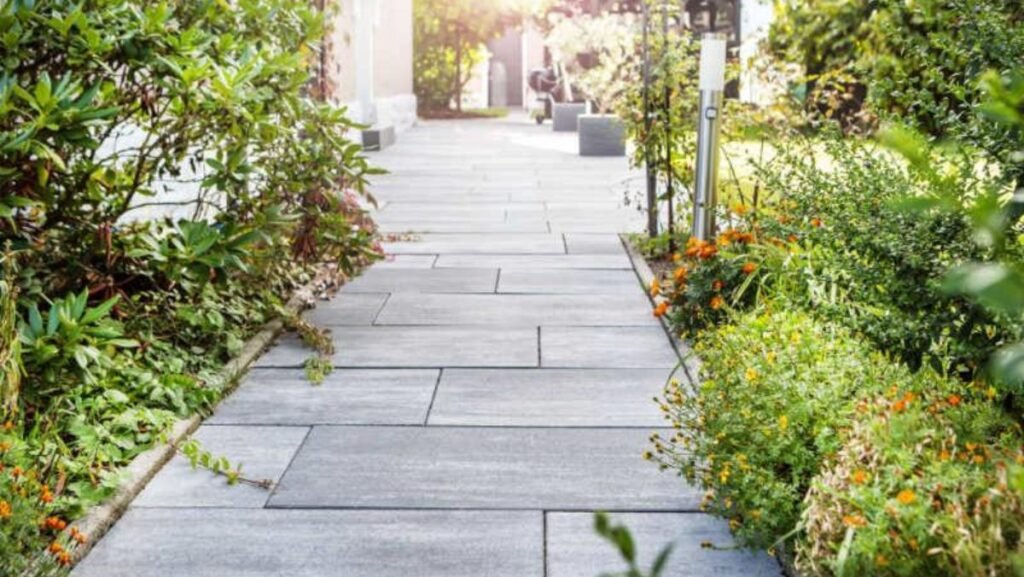
3. Limestone
Limestone offers a subtle, elegant appearance with soft shades of cream, beige, grey, and light brown. It is commonly used in garden walls, paving, edging, and decorative landscape features.
This natural stone pairs well with minimalist gardens, Mediterranean-inspired designs, and outdoor seating areas. Because limestone can react with acidic substances and may be vulnerable to weathering in certain conditions, consider the local climate, soil conditions, and maintenance requirements before installation.
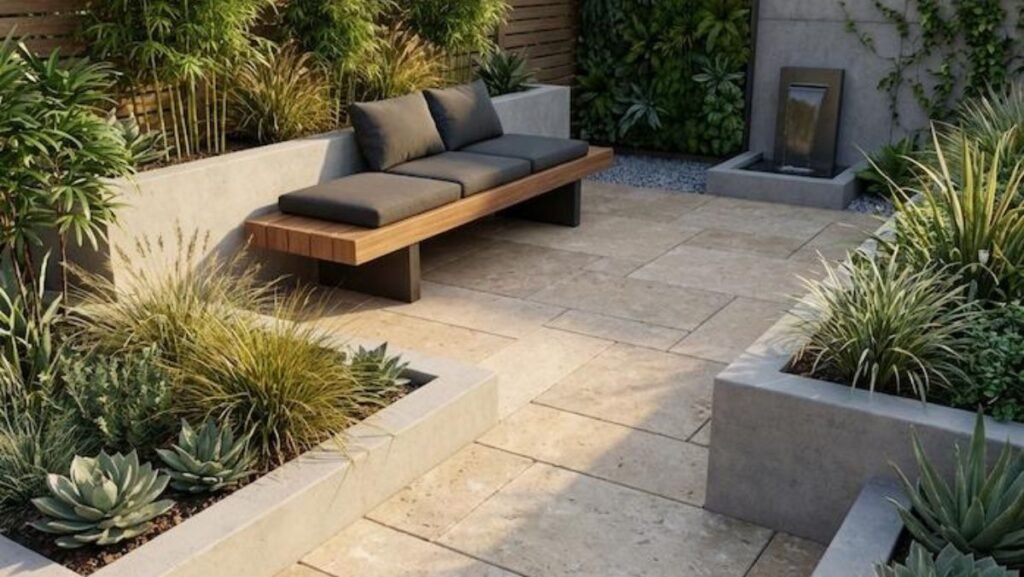
4. Marble
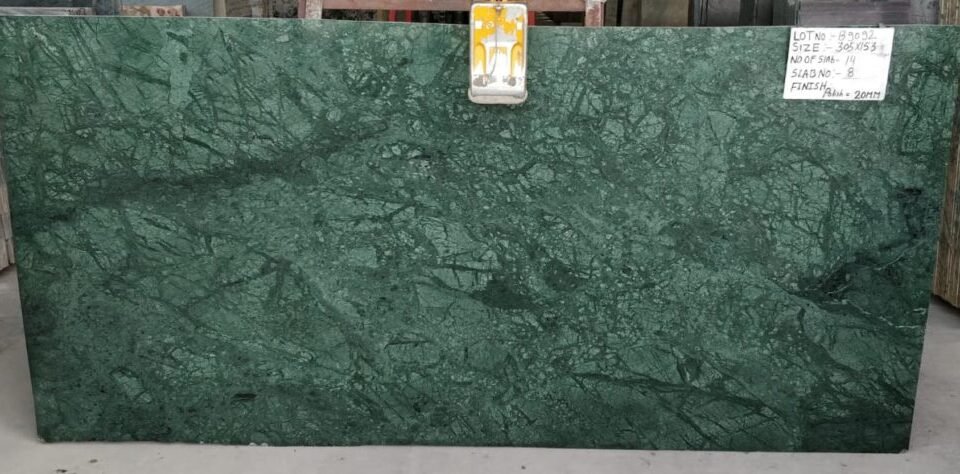
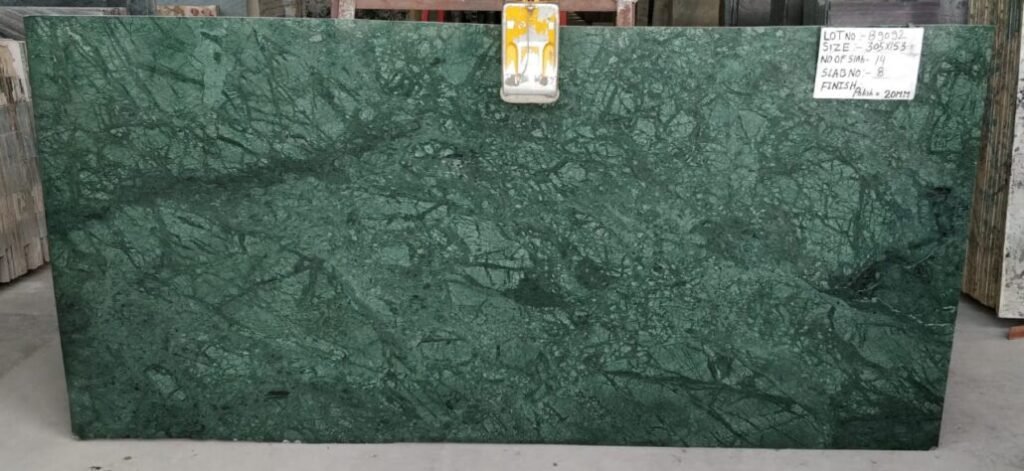
Marble is valued for its distinctive veining, smooth texture, and sophisticated appearance. In garden landscaping, it can be used for decorative stone features, borders, selected paved areas, and ornamental installations.
White, green, and grey marble varieties can create attractive contrasts against green plants and colorful flowers. A trusted marble exporter in India can offer different marble varieties and finishes to suit various garden landscaping needs. However, marble is generally better suited to decorative applications than areas exposed to abrasive wear or acidic substances. Polished marble can also become slippery when wet, making textured finishes preferable for walkways.
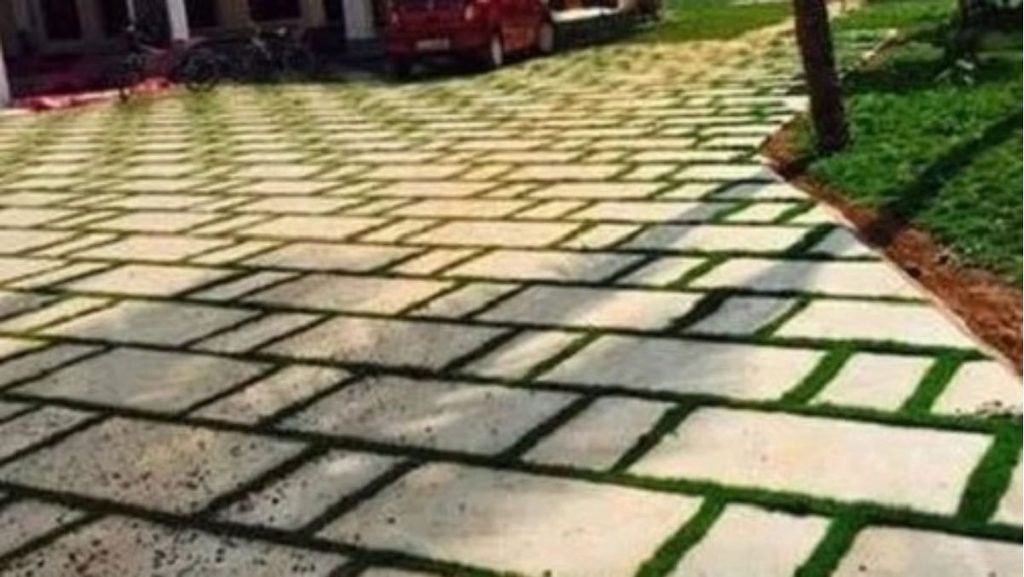
5. Slate
Slate is a fine-grained natural stone that is often available in dark grey, black, green, and purple tones. Its layered structure and understated appearance make it an attractive choice for contemporary garden designs.
Slate can be used for stepping stones, pathways, garden edging, water features, and decorative accents. When selecting slate for outdoor use, ensure that the material is suitable for the local climate and intended load, particularly in areas exposed to frequent moisture or temperature changes.
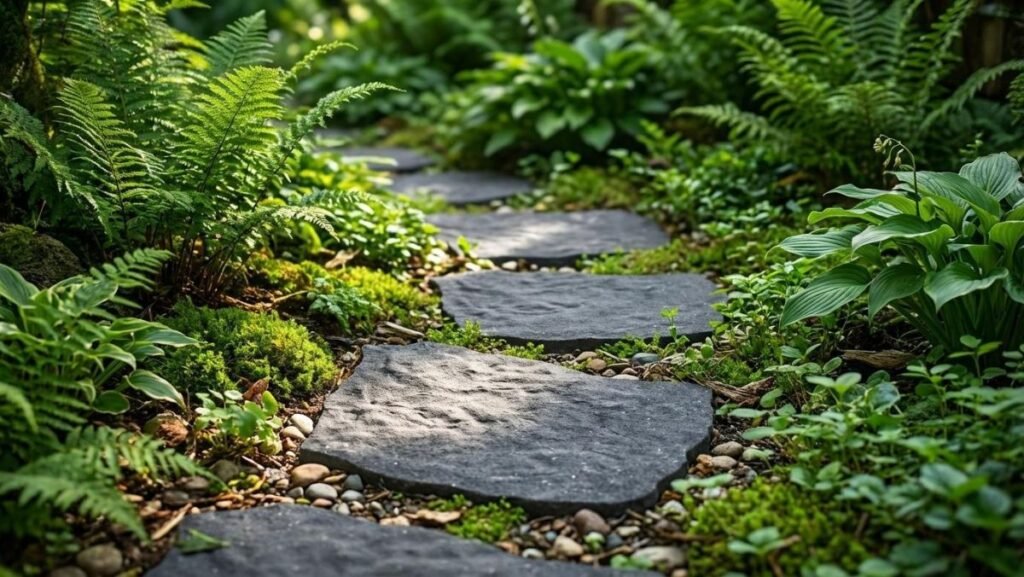
6. River Pebbles and Decorative Gravel
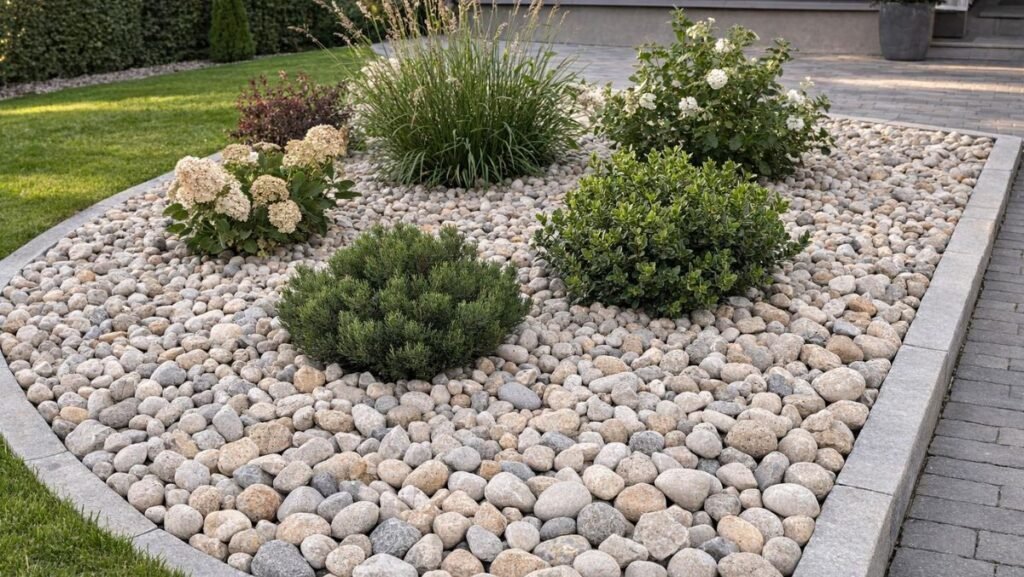
River pebbles are smooth, rounded stones shaped naturally by flowing water. Decorative gravel generally consists of smaller angular or rounded stone fragments available in a wide range of colours and sizes.
Both materials are popular for landscaping because they are easy to arrange and work well in different garden styles. They can be used around plants, along pathways, in dry riverbeds, around water features, and in decorative ground-cover arrangements.
Gravel can also support drainage when installed with a suitable base and appropriate site design. However, it should not be assumed that every gravel installation will drain effectively; soil conditions, grading, and the underlying layers all influence performance.
Common Uses of Natural Stones in Garden Landscaping
Natural stones offer practical and decorative solutions for different outdoor areas.
Garden pathways and stepping stones: Flat stone slabs and stepping stones create attractive routes through lawns and planting beds. Proper spacing, stable installation, and slip-resistant surfaces help make pathways comfortable and safe.
Decorative garden borders: Stone edging separates lawns, flower beds, vegetable gardens, and gravel sections. It creates a neat appearance while helping maintain distinct landscaping zones.
Rock gardens: Different stone sizes, textures, and colours can be combined with succulents, ornamental grasses, and drought-tolerant plants to create visually interesting rock gardens.
Ground cover and mulching: Pebbles and decorative gravel can cover exposed soil around selected plants, helping reduce soil splash and suppressing some weeds when installed correctly. A suitable weed-control strategy and adequate water access for plants are still necessary.
Retaining walls and raised beds: Strong, appropriately sized stones can create garden terraces, raised planting areas, and retaining walls. Structural walls require suitable foundations, drainage, and professional design where necessary.
Water features: Natural stones can enhance garden ponds, fountains, and small waterfalls by creating a more organic appearance. Choose stone types compatible with the water chemistry and intended use.
Benefits of Using Natural Stones for Garden Landscaping
1. Long-Lasting Durability
Many natural stones withstand outdoor exposure and everyday use for years when correctly selected and installed. Their durability makes them suitable for pathways, borders, steps, and other landscaping features that need to remain functional over time.
2. Natural Beauty and Timeless Appeal
Every natural stone has its own colour variations, grain patterns, and surface textures. These characteristics create an authentic look that complements plants, trees, lawns, and other outdoor elements. Natural stones can also suit rustic, traditional, minimalist, and contemporary gardens.
3. Low Maintenance
Compared with some landscaping materials, natural stones require relatively little routine maintenance. Occasional sweeping, removing leaves, controlling weeds, and checking for loose paving stones can help maintain their appearance. The amount of maintenance depends on the stone type, finish, climate, and installation method.
4. Improved Drainage in Suitable Applications
Gravel and pebble installations can allow water to pass through the spaces between stones, especially when supported by a permeable base. This can help manage surface water in appropriate locations. However, compacted soil, unsuitable underlayers, or poor grading may restrict infiltration, so drainage should be planned according to site conditions.
5. Design Flexibility
Natural stones are available in numerous sizes, shapes, colours, and finishes. They can be combined to create contrasting borders, winding paths, textured surfaces, decorative focal points, and coordinated outdoor living areas.
6. Potential Environmental Advantages
Natural stone can have a long service life and may be reused in future landscaping projects. Choosing locally sourced stone can reduce transportation impacts, while permeable stone arrangements can support more responsible rainwater management. Environmental performance still depends on quarrying, processing, transportation, installation, and the material’s eventual reuse or disposal.
How to Choose the Right Natural Stone for Your Garden
Before purchasing natural landscaping stones, consider the intended application, budget, local weather, and overall garden design.
- For pathways: Choose stable, appropriately thick stones with a textured, slip-resistant finish.
- For decorative areas: Select pebbles or gravel in colours that complement nearby plants and outdoor features.
- For walls and steps: Prioritise strength, suitable dimensions, and correct installation.
- For hot or rainy climates: Evaluate heat absorption, porosity, weather resistance, and surface safety.
- For sustainable landscaping: Consider locally available materials, responsible sourcing, and the potential for reuse.
It is also helpful to compare samples in natural daylight before making a final decision, as stone colours can look different under artificial lighting.
Conclusion
Natural stones for garden landscaping combine visual appeal, durability, versatility, and practical functionality. From sandstone pathways and granite steps to limestone borders, slate accents, and decorative river pebbles, each stone type offers unique possibilities for improving an outdoor space.
By selecting the right materials for your garden’s design, climate, drainage requirements, and intended use, you can create a landscape that remains attractive and functional for years. Thoughtful stone selection and proper installation will help you achieve a balanced garden that combines natural beauty with lasting value.